At Finres, we understand the importance of receiving your orders quickly and smoothly. That’s why we commit to shipping your items within 2 business days of your order. Delivery will then take 1 to 5 business days depending on the destination.
We’ve partnered with UPS, the world’s leading logistics company, to offer you fast, high-quality delivery.
We ship our products throughout Europe. So whether you’re in Paris, Berlin, Rome or Stockholm, we’re here to serve you. If you are located in another region, feel free to contact us to discuss delivery options.
Once your order has been shipped, you will receive a tracking link by email, allowing you to track the progress of your delivery in real-time. This way, you can have peace of mind knowing exactly where your package is and when it will be delivered.
Our commitment to customer satisfaction is reflected in every step of the delivery process. We are here to provide you with a seamless online shopping experience, from start to finish.
Thank you for trusting us with all your delivery needs. We look forward to serving you!
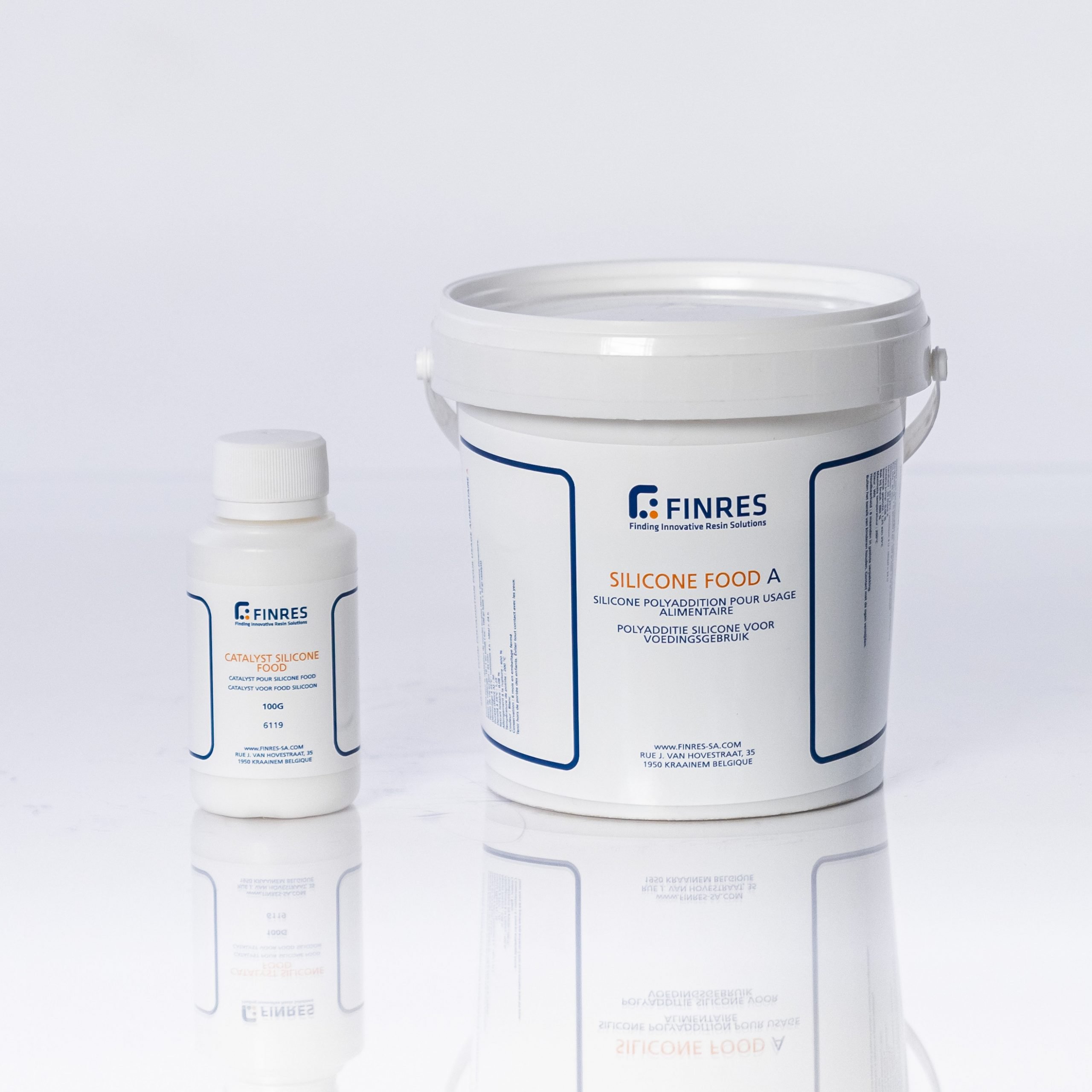
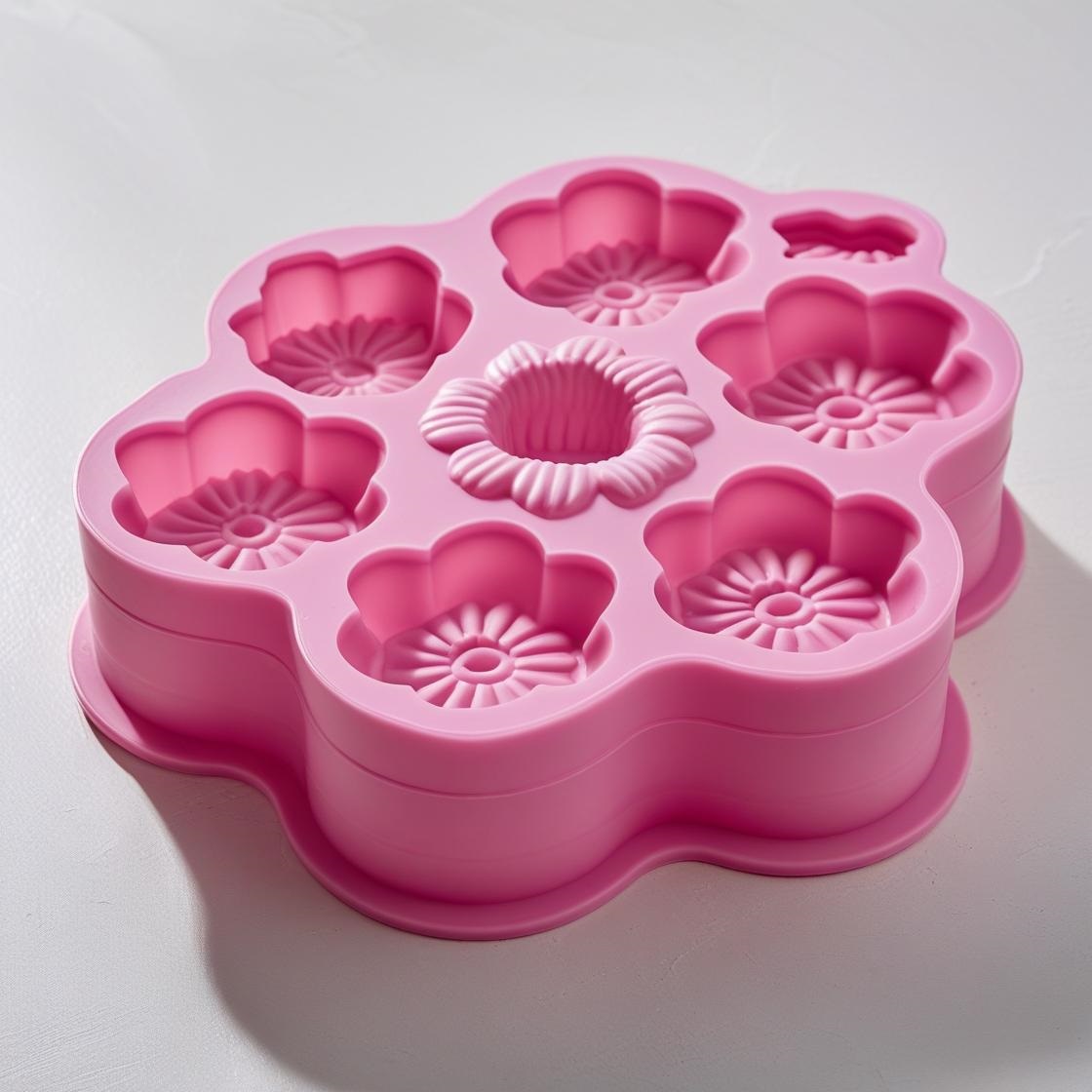
Silicone Food is a two-component molding silicone ideal for making flexible molds and compatible with direct food contact.
This food-grade silicone offers precise detail reproduction, is heat resistant, and does not deform.
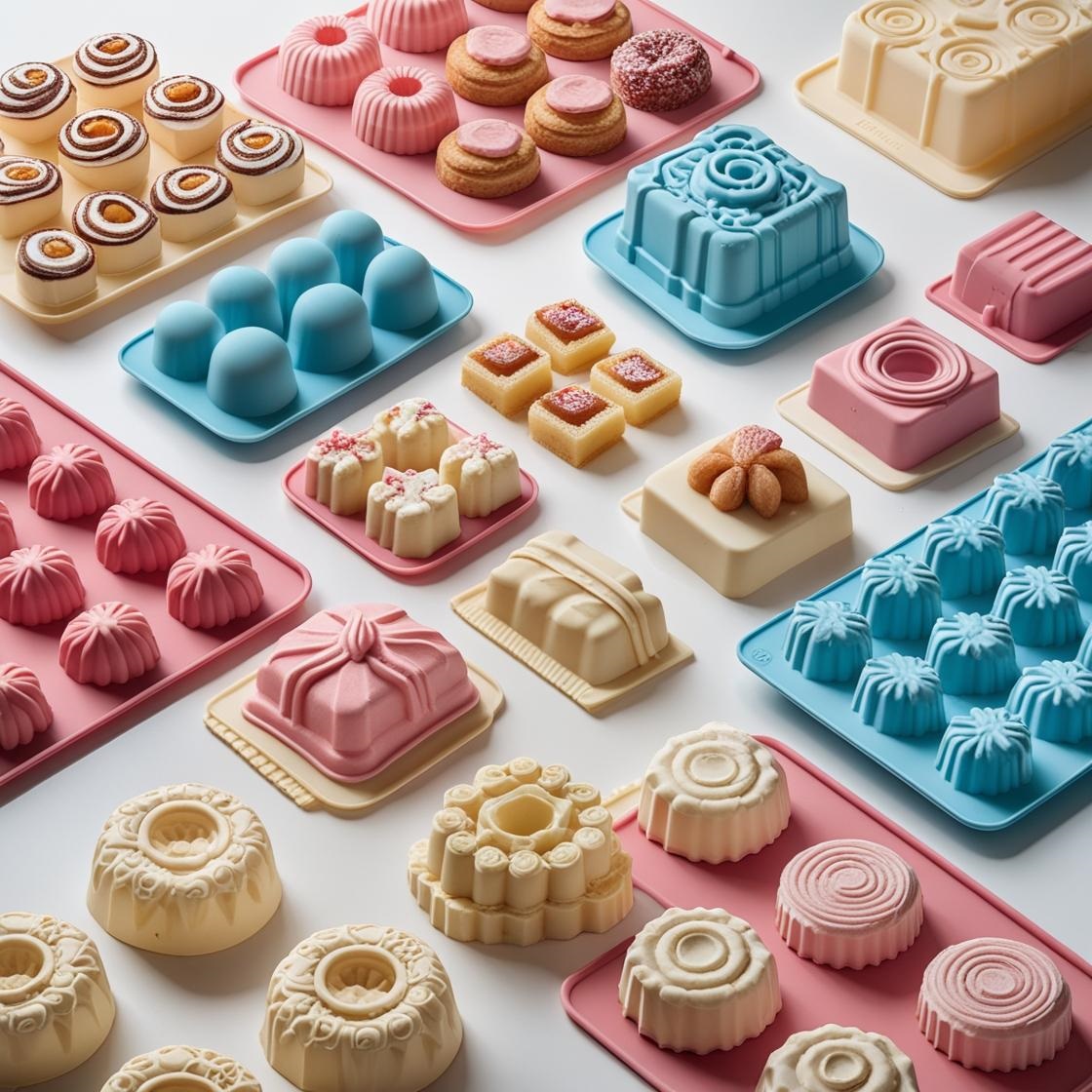
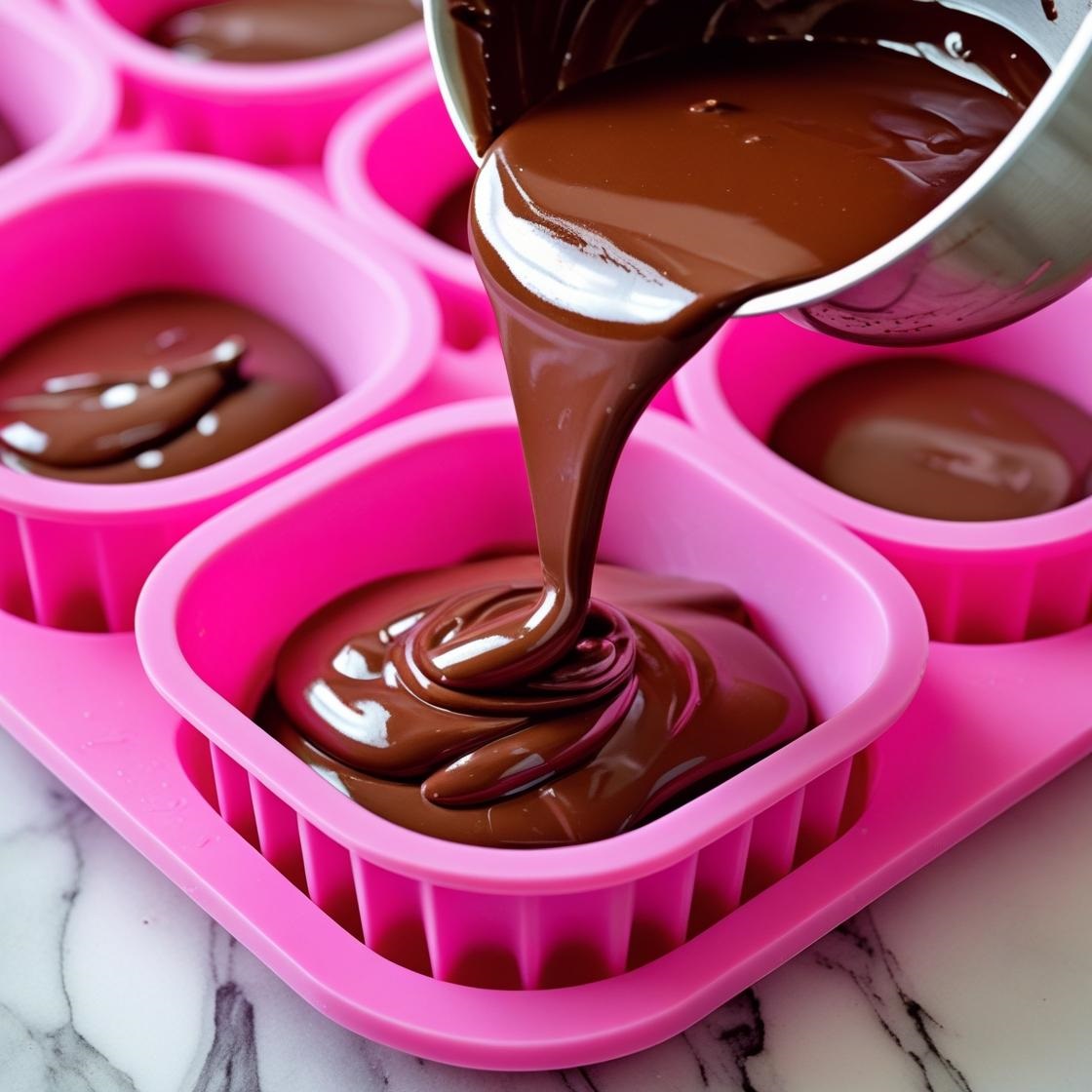
The silicone is compatible with various foods such as chocolate, sugar paste, caramel, isomalt, gelatin, or other pastries.
CE 1935/2004 certified, Silicone Food is perfectly suited for professional use in the food industry and is highly recommended by pastry chefs, chocolatiers, artisans, or custom mold manufacturers.
Praised by professionals, this molding silicone appeals to both creative and passionate individuals looking for custom molds.
For a birthday, Halloween, a themed party, or a wedding, Silicone Food allows you to create designs that are as original as they are delicious.
Easy to handle and durable, Silicone Food transforms every event into a unique and unforgettable moment.
Specifications
Performance Benefits
Mixing ratio by weight: 10:1 (e.g.: 100g of silicone + 10g of catalyst)
Color: White
Hardness (Shore A): 30
Pot life at 23°C: 60 min.
Demold time: 4 hours
Density (g/cm³): 1.27
Viscosity (mPa.s): 15000
Linear shrinkage (%): 0.08
Compatibility: test beforehand
Storage: 6 months in original packaging between 5°C and 25°C.
Packaging: sold as a kit (A+B): 220g/ 1.1kg/ 5.5kg
🍽️ European Food Grade Compliance
🌡️ Thermal Resistance
🎯 High Precision
⏳ Durability
💧 Good Fluidity
⏱ Flexible Pot Life
Application Instructions
1. Surface preparation
Check compatibility with the model’s substrate and seal the surface if it is absorbent or has natural porosity.
2. Formwork
Secure the object to the base to prevent it from moving during filling. Build a mold box around the object, leaving a thickness of 3 to 8 mm to accommodate the silicone. Ensure perfect sealing to avoid any disaster.
3. Ratio & mixing
In a clean, dry container, weigh the silicone and add 10% catalyst (e.g.: 100g of silicone + 10g of catalyst).
Mix slowly with a spatula or low-speed mixer (300 to 500 rpm) for 2 to 3 min. until a HOMOGENEOUS paste is obtained; ensure the mixing head remains submerged to limit air bubble incorporation.
4. Pouring silicone
Aim for the lowest point and pour the silicone in a thin vein.
5. Hardening
Allow the silicone to harden at room temperature.
Demolding is recommended the next day.
6. Cleaning
Do not attempt to clean liquid silicone; it is best to peel it off instruments when dry.
! Caution !
Platinum-cure silicones must not come into contact with the components below, as their presence may inhibit rubber polymerization and leave a sticky surface:
Nitrogen, sulfur, phosphorus, and arsenic compounds, organotin catalysts and PVC stabilizers, epoxy resin catalysts, modeling clays, sulfur-vulcanized rubbers, condensation-cure silicones, onion, and garlic.
-> In case of doubt, perform a test or isolate the surface to be reproduced with a primer or a sealing solution.
The Finres team will enjoy a long weekend from November 08 to 11.
Don’t panic, our website will remain open and your orders will go out on Wednesday November 12. Orders placed before June 07 will be dispatched before our vacation.