At Finres, we understand the importance of receiving your orders quickly and smoothly. That’s why we commit to shipping your items within 2 business days of your order. Delivery will then take 1 to 5 business days depending on the destination.
We’ve partnered with UPS, the world’s leading logistics company, to offer you fast, high-quality delivery.
We ship our products throughout Europe. So whether you’re in Paris, Berlin, Rome or Stockholm, we’re here to serve you. If you are located in another region, feel free to contact us to discuss delivery options.
Once your order has been shipped, you will receive a tracking link by email, allowing you to track the progress of your delivery in real-time. This way, you can have peace of mind knowing exactly where your package is and when it will be delivered.
Our commitment to customer satisfaction is reflected in every step of the delivery process. We are here to provide you with a seamless online shopping experience, from start to finish.
Thank you for trusting us with all your delivery needs. We look forward to serving you!
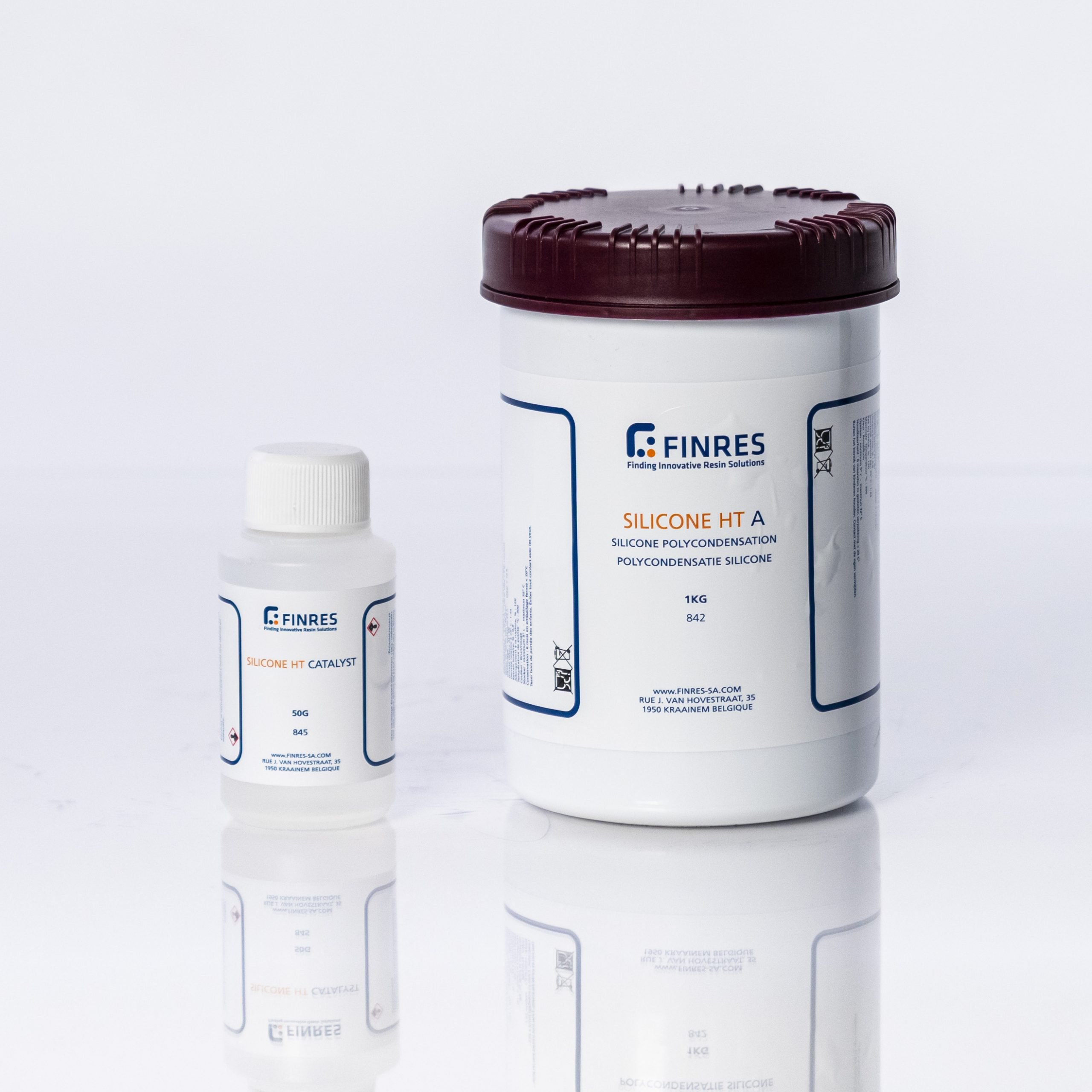
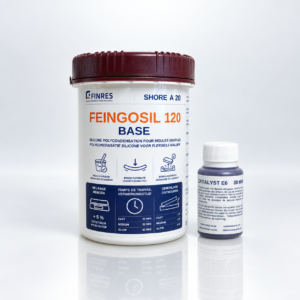
HT Silicone is a two-component RTV-2 silicone rubber that cures by condensation.
This silicone rubber elastomer offers excellent resistance to heat and deformation. Fluid and easy to use, it allows for precise reproduction and is perfect for making technical molds.
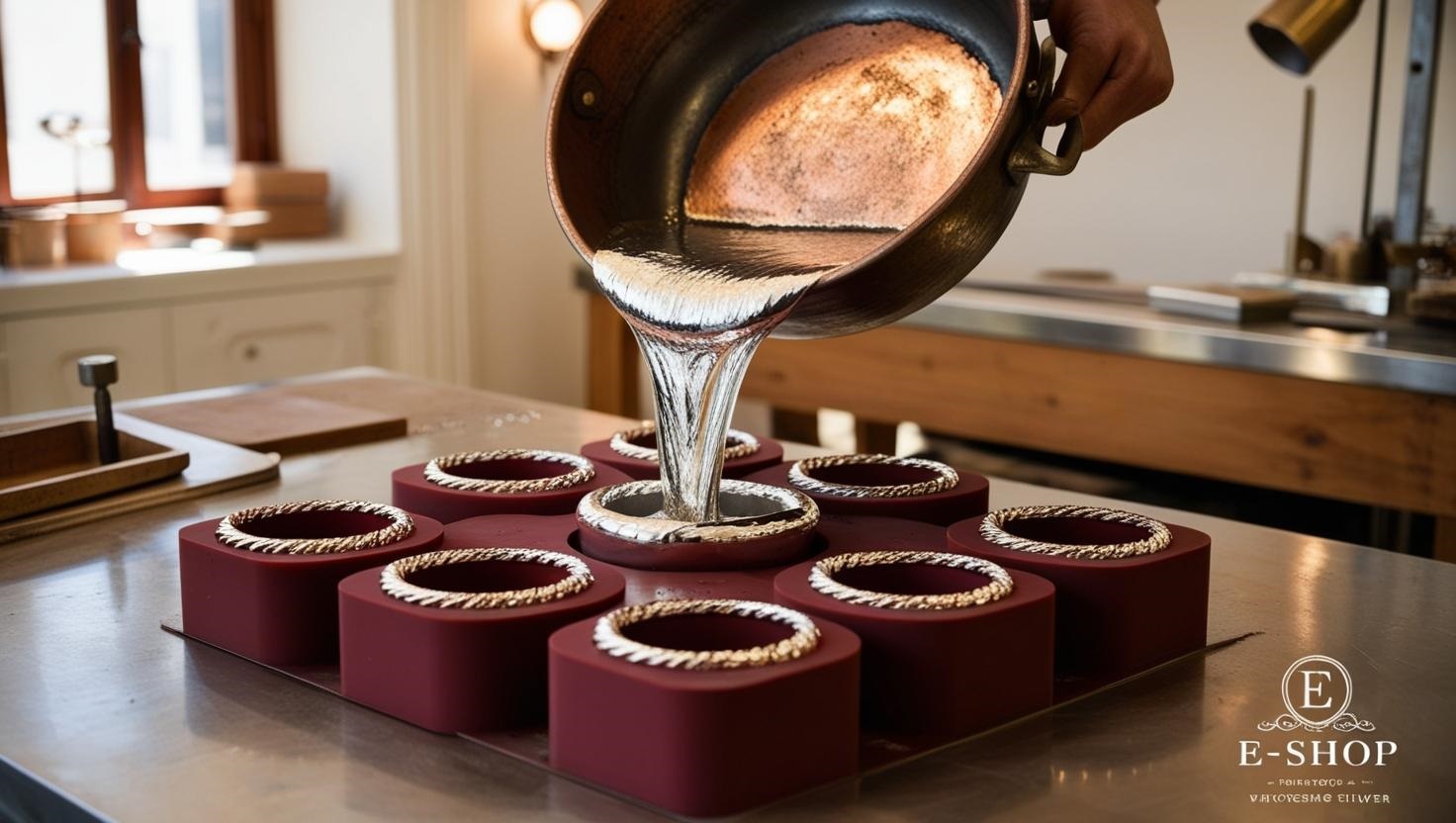
Suitable for casting low-melting-point metals (tin, lead, etc.), its high hardness is ideal for simple molds with few undercuts.
This silicone is recommended for limited runs and is compatible with certain suitable resins. It is not compatible with thixotropic agents.
High-Temperature RTV Silicone Applications
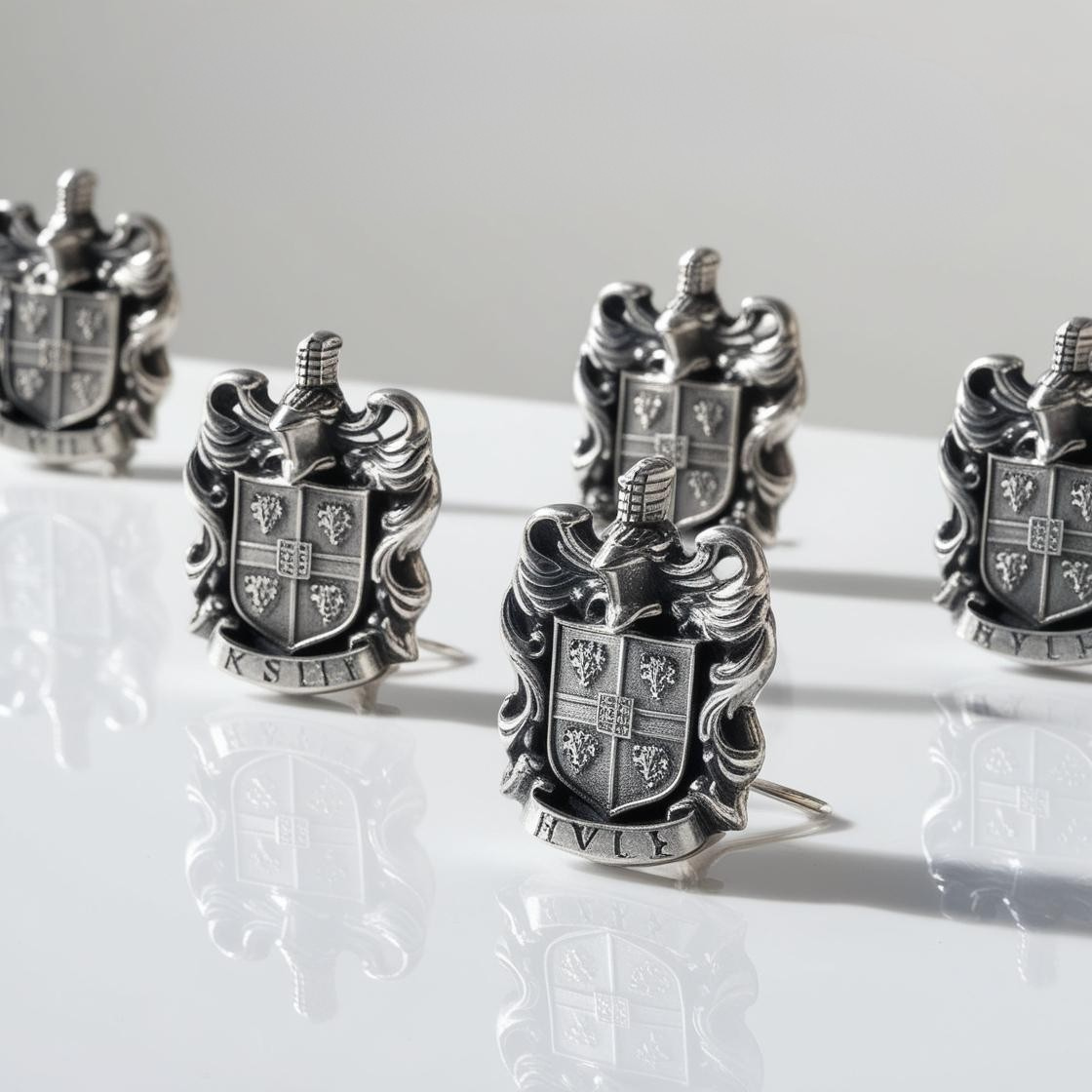
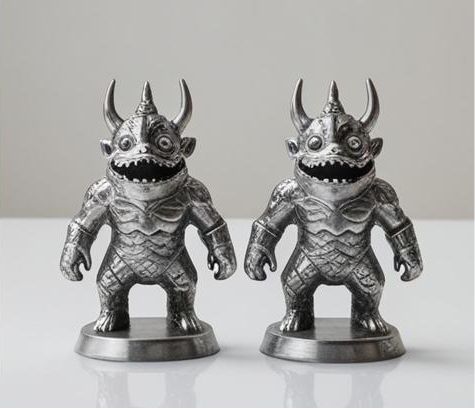
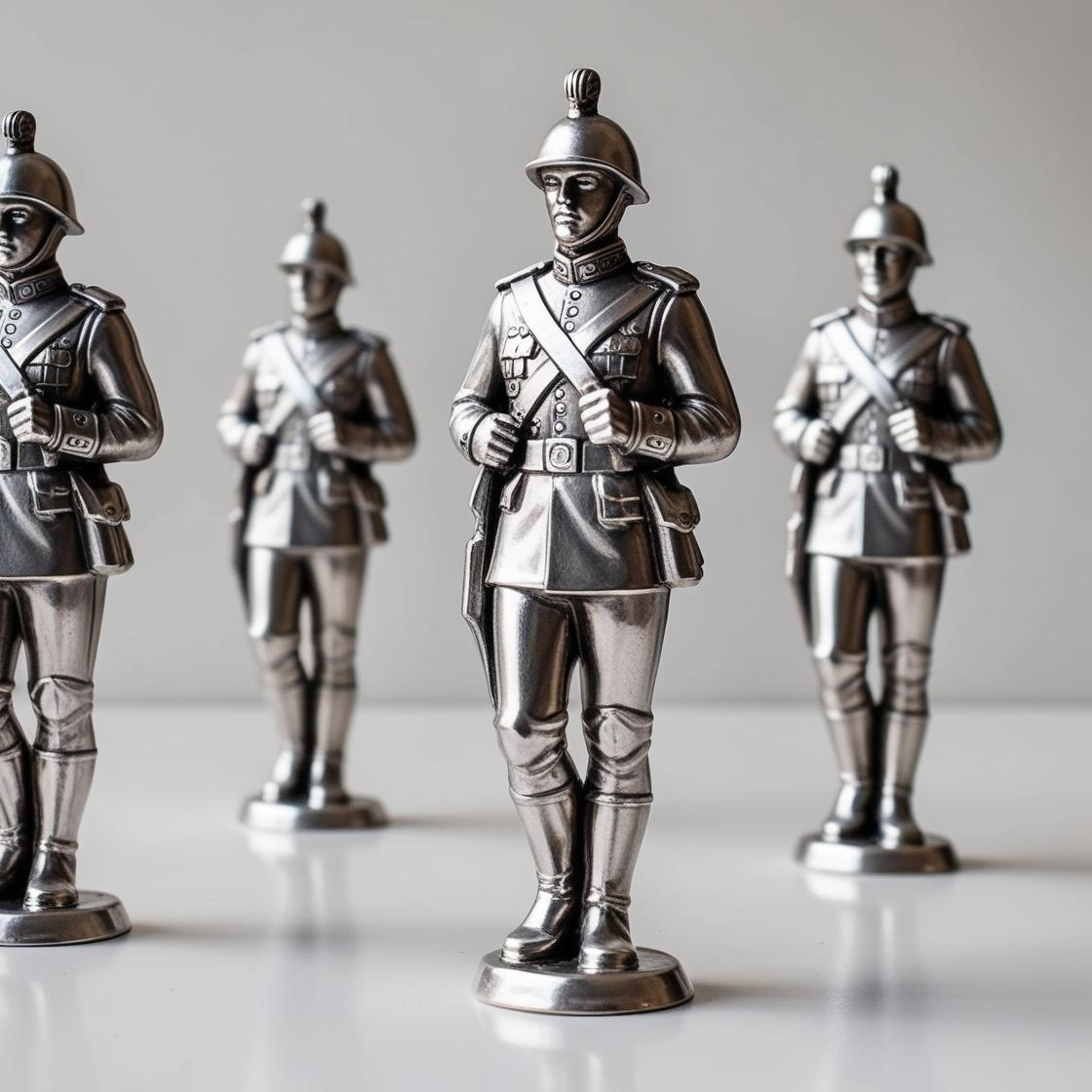
Jewelry and accessories: rings, bracelets, pendants, earrings, engraved medallions. Miniatures and figurines: figurines (fantasy, soldiers, wargames), statuettes, scale models (cars, planes, boats). Model making and scale models: wheels, gears, model train parts, diorama elements, weapon replicas. Decoration: handles, furniture knobs, sculptures, bas-reliefs, frame and mirror ornaments, decorative weights. Utility objects: antique keys and locks, hinges, fittings, measuring weights, brackets and fasteners. Goodies: tokens, keychains, mini trophies, medals.
Application Instructions
1. Surface preparation
If the surface of the model to reproduce is porous (wood/plaster/ceramic/etc.), it’s recommended to apply a coat of varnish, a release agent, or a release wax to prevent any sticking.
2. Formwork
Build a formwork around the object to reproduce and make sure to leave enough space to hold the silicone (wall thickness between 4 and 10 mm).
Carefully check the formwork is watertight to avoid any disaster.
Make sure the object is firmly fixed to the base to prevent it from moving or floating during pouring.
3. Ratio & mixing
In a clean, dry container, weigh out the quantity of silicone required and calculate an addition of 5% catalyst (e.g.: 100gr silicone + 5gr catalyst).
Using a spatula, mix the two components until you obtain a HOMOGENEOUS paste.
With mechanical assistance, keep the speed low (300 to 500 rpm) for 2 to 3 minutes and keep the mixer head in the silicone to limit the incorporation of air bubbles.
4. Pouring silicone
Aim for the lowest point and pour the silicone in a thin vein.
The first coat can be applied directly with a brush, then the rest of the mold can be filled.
5. Hardening
Allow the silicone to harden at room temperature. You can unmold the next day.
6. Cleaning
Do not try to clean liquid silicone; it’s best to peel it off tools once it’s dry.
Technical specifications
Mixing ratio: 5% (e.g.: 100 g of silicone + 5 g of Catalyst)
Color: red-brown silicone rubber
Hardness (Shore A): 60
Pot life at 23°C: 90 min.
Demoulding: 24h
Density (g/cm³): 1.44
Viscosity (mPa.s): 10000
Linear shrinkage (%): < 0.7
Filler: contains iron oxide
Shelf-life: 12 months in original packaging between 5°C and 25°C.
Packaging: sold by kit (A+B): 200gr + 10gr/ 1kg + 50 gr/ 5kg +200gr
Safety
Wear gloves and work in a ventilated area
Skin: wash with soap and water
Eyes: rinse thoroughly (risk of severe eye irritation)
The Finres team will enjoy a long weekend from November 08 to 11.
Don’t panic, our website will remain open and your orders will go out on Wednesday November 12. Orders placed before June 07 will be dispatched before our vacation.